The Future of Generative AI: From Art to Reality Shaping.
Explore the transformative potential of generative AI in our latest AI Unraveled episode. From AI-driven entertainment to reality-altering technologies, we delve deep into what the future holds.
This episode covers how generative AI could revolutionize movie making, impact creative professions, and even extend to DNA alteration. We also discuss its integration in technology over the next decade, from smartphones to fully immersive VR worlds.”
Listen to the Future of Generative AI here
#GenerativeAI #AIUnraveled #AIFuture

Welcome to AI Unraveled, the podcast that demystifies frequently asked questions on artificial intelligence and keeps you up to date with the latest AI trends. Join us as we delve into groundbreaking research, innovative applications, and emerging technologies that are pushing the boundaries of AI. From the latest trends in ChatGPT and the recent merger of Google Brain and DeepMind, to the exciting developments in generative AI, we’ve got you covered with a comprehensive update on the ever-evolving AI landscape. In today’s episode, we’ll cover generative AI in entertainment, the potential transformation of creative jobs, DNA alteration and physical enhancements, personalized solutions and their ethical implications, AI integration in various areas, the future integration of AI in daily life, key points from the episode, and a recommendation for the book “AI Unraveled” to better understand artificial intelligence.
The Future of Generative AI: The Evolution of Generative AI in Entertainment
Hey there! Today we’re diving into the fascinating world of generative AI in entertainment. Picture this: a Netflix powered by generative AI where movies are actually created based on prompts. It’s like having an AI scriptwriter and director all in one!
Imagine how this could revolutionize the way we approach scriptwriting and audio-visual content creation. With generative AI, we could have an endless stream of unique and personalized movies tailor-made to our interests. No more scrolling through endless options trying to find something we like – the AI knows exactly what we’re into and delivers a movie that hits all the right notes.
But, of course, this innovation isn’t without its challenges and ethical considerations. While generative AI offers immense potential, we must be mindful of the biases it may inadvertently introduce into the content it creates. We don’t want movies that perpetuate harmful stereotypes or discriminatory narratives. Striking the right balance between creativity and responsibility is crucial.
Additionally, there’s the question of copyright and ownership. Who would own the rights to a movie created by a generative AI? Would it be the platform, the AI, or the person who originally provided the prompt? This raises a whole new set of legal and ethical questions that need to be addressed.
Overall, generative AI has the power to transform our entertainment landscape. However, we must tread carefully, ensuring that the benefits outweigh the potential pitfalls. Exciting times lie ahead in the world of AI-driven entertainment!
The Future of Generative AI: The Impact on Creative Professions
In this segment, let’s talk about how AI advancements are impacting creative professions. As a graphic designer myself, I have some personal concerns about the need to adapt to these advancements. It’s important for us to understand how generative AI might transform jobs in creative fields.

AI is becoming increasingly capable of producing creative content such as music, art, and even writing. This has raised concerns among many creatives, including myself, about the future of our profession. Will AI eventually replace us? While it’s too early to say for sure, it’s important to recognize that AI is more of a tool to enhance our abilities rather than a complete replacement.
Generative AI, for example, can help automate certain repetitive tasks, freeing up our time to focus on more complex and creative work. This can be seen as an opportunity to upskill and expand our expertise. By embracing AI and learning to work alongside it, we can adapt to the changing landscape of creative professions.
Advertise with us - Post Your Good Content Here
We are ranked in the Top 20 on Google
AI Dashboard is available on the Web, Apple, Google, and Microsoft, PRO version
Upskilling is crucial in this evolving industry. It’s important to stay updated with the latest AI technologies and learn how to leverage them in our work. By doing so, we can stay one step ahead and continue to thrive in our creative careers.
Overall, while AI advancements may bring some challenges, they also present us with opportunities to grow and innovate. By being open-minded, adaptable, and willing to learn, we can navigate these changes and continue to excel in our creative professions.

The Future of Generative AI: Beyond Content Generation – The Realm of Physical Alterations
Today, folks, we’re diving into the captivating world of physical alterations. You see, there’s more to AI than just creating content. It’s time to explore how AI can take a leap into the realm of altering our DNA and advancing medical applications.
Imagine this: using AI to enhance our physical selves. Picture people with wings or scales. Sounds pretty crazy, right? Well, it might not be as far-fetched as you think. With generative AI, we have the potential to take our bodies to the next level. We’re talking about truly transforming ourselves, pushing the boundaries of what it means to be human.
But let’s not forget to consider the ethical and societal implications. As exciting as these advancements may be, there are some serious questions to ponder. Are we playing God? Will these enhancements create a divide between those who can afford them and those who cannot? How will these alterations affect our sense of identity and equality?
It’s a complex debate, my friends, one that raises profound moral and philosophical questions. On one hand, we have the potential for incredible medical breakthroughs and physical advancements. On the other hand, we risk stepping into dangerous territory, compromising our values and creating a divide in society.
So, as we venture further into the realm of physical alterations, let’s keep our eyes wide open and our minds even wider. There’s a lot at stake here, and it’s up to us to navigate the uncharted waters of AI and its impact on our very existence.

Generative AI as Personalized Technology Tools
In this segment, let’s dive into the exciting world of generative AI and how it can revolutionize personalized technology tools. Picture this: AI algorithms evolving so rapidly that they can create customized solutions tailored specifically to individual needs! It’s mind-boggling, isn’t it?
Now, let’s draw a comparison to “Clarke tech,” where technology appears almost magical. Just like in Arthur C. Clarke’s famous quote, “Any sufficiently advanced technology is indistinguishable from magic.” Generative AI has the potential to bring that kind of magic to our lives by creating seemingly miraculous solutions.
One of the key advantages of generative AI is its ability to understand context. This means that AI systems can comprehend the nuances and subtleties of our queries, allowing them to provide highly personalized and relevant responses. Imagine having a chatbot that not only recognizes what you’re saying but truly understands it in context, leading to more accurate and helpful interactions.
The future of generative AI holds immense promise for creating personalized experiences. As it continues to evolve, we can look forward to technology that adapts itself to our unique needs and preferences. It’s an exciting time to be alive, as we witness the merging of cutting-edge AI advancements and the practicality of personalized technology tools. So, brace yourselves for a future where technology becomes not just intelligent, but intelligently tailored to each and every one of us.
Generative AI in Everyday Technology (1-3 Year Predictions)
So, let’s talk about what’s in store for AI in the near future. We’re looking at a world where AI will become a standard feature in our smartphones, social media platforms, and even education. It’s like having a personal assistant right at our fingertips.
One interesting trend that we’re seeing is the blurring lines between AI-generated and traditional art. This opens up exciting possibilities for artists and enthusiasts alike. AI algorithms can now analyze artistic styles and create their own unique pieces, which can sometimes be hard to distinguish from those made by human hands. It’s kind of mind-blowing when you think about it.
Another aspect to consider is the potential ubiquity of AI in content creation tools. We’re already witnessing the power of AI in assisting with tasks like video editing and graphic design. But in the not too distant future, we may reach a point where AI is an integral part of every creative process. From writing articles to composing music, AI could become an indispensable tool. It’ll be interesting to see how this plays out and how creatives in different fields embrace it.
All in all, AI integration in everyday technology is set to redefine the way we interact with our devices and the world around us. The lines between human and machine are definitely starting to blur. It’s an exciting time to witness these innovations unfold.
So picture this – a future where artificial intelligence is seamlessly woven into every aspect of our lives. We’re talking about a world where AI is a part of our daily routine, be it for fun and games or even the most mundane of tasks like operating appliances.
But let’s take it up a notch. Imagine fully immersive virtual reality worlds that are not just created by AI, but also have AI-generated narratives. We’re not just talking about strapping on a VR headset and stepping into a pre-designed world. We’re talking about AI crafting dynamic storylines within these virtual realms, giving us an unprecedented level of interactivity and immersion.
Now, to make all this glorious future-tech a reality, we need to consider the advancements in material sciences and computing that will be crucial. We’re talking about breakthroughs that will power these AI-driven VR worlds, allowing them to run flawlessly with immense processing power. We’re talking about materials that enable lightweight, comfortable VR headsets that we can wear for hours on end.
It’s mind-boggling to think about the possibilities that this integration of AI, VR, and material sciences holds for our future. We’re talking about a world where reality and virtuality blend seamlessly, and where our interactions with technology become more natural and fluid than ever before. And it’s not a distant future either – this could become a reality in just the next decade.
The Future of Generative AI: Long-Term Predictions and Societal Integration (10 Years)
So hold on tight, because the future is only getting more exciting from here!
So, here’s the deal. We’ve covered a lot in this episode, and it’s time to sum it all up. We’ve discussed some key points when it comes to generative AI and how it has the power to reshape our world. From creating realistic deepfake videos to generating lifelike voices and even designing unique artwork, the possibilities are truly mind-boggling.
But let’s not forget about the potential ethical concerns. With this technology advancing at such a rapid pace, we must be cautious about the misuse and manipulation that could occur. It’s important for us to have regulations and guidelines in place to ensure that generative AI is used responsibly.
Now, I want to hear from you, our listeners! What are your thoughts on the future of generative AI? Do you think it will bring positive changes or cause more harm than good? And what about your predictions? Where do you see this technology heading in the next decade?
Remember, your voice matters, and we’d love to hear your insights on this topic. So don’t be shy, reach out to us and share your thoughts. Together, let’s unravel the potential of generative AI and shape our future responsibly.
Oh, if you’re looking to dive deeper into the fascinating world of artificial intelligence, I’ve got just the thing for you! There’s a fantastic book called “AI Unraveled: Demystifying Frequently Asked Questions on Artificial Intelligence” that you absolutely have to check out. Trust me, it’s a game-changer.
What’s great about this book is that it’s the ultimate guide to understanding artificial intelligence. It takes those complex concepts and breaks them down into digestible pieces, answering all those burning questions you might have. No more scratching your head in confusion!
Now, the best part is that it’s super accessible. You can grab a copy of “AI Unraveled” from popular platforms like Shopify, Apple, Google, or Amazon. Just take your pick, and you’ll be on your way to unraveling the mysteries of AI!

So, if you’re eager to expand your knowledge and get a better grasp on artificial intelligence, don’t miss out on “AI Unraveled.” It’s the must-have book that’s sure to satisfy your curiosity. Happy reading!
The Future of Generative AI: Conclusion
In this episode, we uncovered the groundbreaking potential of generative AI in entertainment, creative jobs, DNA alteration, personalized solutions, AI integration in daily life, and more, while also exploring the ethical implications – don’t forget to grab your copy of “AI Unraveled” for a deeper understanding! Join us next time on AI Unraveled as we continue to demystify frequently asked questions on artificial intelligence and bring you the latest trends in AI, including ChatGPT advancements and the exciting collaboration between Google Brain and DeepMind. Stay informed, stay curious, and don’t forget to subscribe for more!
📢 Advertise with us and Sponsorship Opportunities
Are you eager to expand your understanding of artificial intelligence? Look no further than the essential book “AI Unraveled: Demystifying Frequently Asked Questions on Artificial Intelligence,” available at Shopify, Apple, Google, or Amazon

Elevate Your Design Game with Photoshop’s Generative Fill
Take your creative projects to the next level with #Photoshop’s Generative Fill! This AI-powered tool is a game-changer for designers and artists.
Tutorial: How to Use generative Fill
➡ Use any selection tool to highlight an area or object in your image. Click the Generative Fill button in the Contextual Task Bar.
➡ Enter a prompt describing your vision in the text-entry box. Or, leave it blank and let Photoshop auto-fill the area based on the surroundings.
➡ Click ‘Generate’. Be amazed by the thumbnail previews of variations tailored to your prompt. Each option is added as a Generative Layer in your Layers panel, keeping your original image intact.
Pro Tip: To generate even more options, click Generate again. You can also try editing your prompt to fine-tune your results. Dream it, type it, see it

https://youtube.com/shorts/i1fLaYd4Qnk
- I created an AI-Powered automated LLM Prompt Optimizerby /u/NextgenAITrading (Artificial Intelligence Gateway) on July 26, 2024 at 12:31 am
I've been exploring ways to optimize prompts for my AI application NexusTrade, and the results are incredibly promising! By applying genetic algorithms to prompt engineering, we've seen significant improvements in both training and validation performance! Here are some key takeaways from my experiment: ✅ Achieved 85% accuracy on training data, up from 71% initially ✅ Validation accuracy peaked above 84%, showing strong generalization ✅ Manual creation of initial prompts proved more effective than AI-generated ones While challenges remain, including high computational costs and ensuring ground truth accuracy, the future direction of this work has me incredibly excited: 1️⃣ We could enhance retrieval-augmented generation systems 2️⃣ We can optimize for model selection for different prompts 3️⃣ We can utilize multi-objective optimization for more nuanced improvements This experiment opens up a world of possibilities for how we interact with AI systems. We're not just optimizing prompts; we're potentially reshaping the future of AI interaction. Want to see the full experimental methodology? Check out the full article here: https://medium.com/p/9ff3aa47641d Would love to questions and feedback in the comments! submitted by /u/NextgenAITrading [link] [comments]
- Understanding the Technology Behind Home Layout Design Tools: A Case Study of HomeDesigns.aiby /u/Big_Definition_1996 (Artificial Intelligence Gateway) on July 25, 2024 at 11:33 pm
I'm trying to understand how home layout design tools, like the one found at https://homedesigns.ai/, are created. What technology stack do they use? Do they rely on APIs or have their own models? What technologies should I learn to develop something similar? submitted by /u/Big_Definition_1996 [link] [comments]
- This week’s AI GPT Journal Weekly Insights Newsletter just dropped on LinkedInby /u/AIGPTJournal (Artificial Intelligence Gateway) on July 25, 2024 at 10:54 pm
Dive into this week’s AI GPT Journal Weekly Insights! Uncover the truth behind AI-generated answers, combat Instagram bot accounts, and explore AI Explainability for non-techies. Stay informed and ahead in the AI revolution. Click here to read now. #AIGPTJournal #FactCheckingAI #InstagramBots #TrustworthyAI submitted by /u/AIGPTJournal [link] [comments]
- Why Aren't the Jena Ortega/Wednesday Deepfake Accounts on TikTok and YouTube Being Taken Down?by /u/Relative_Season_299 (Artificial Intelligence Gateway) on July 25, 2024 at 10:32 pm
This question is for any lawyers here or people familiar with the law. I’m sure you’ve all seen the deepfake Jena Ortega/Wednesday accounts on TikTok and YouTube. Why haven’t any parties (e.g., CAA represents Jena, Netflix owns the Wednesday IP) taken action against these accounts? I came across them almost a year ago and assumed they’d be taken down at this point, on YouTube especially since it pays its creators. The Ortega channel on YouTube has 7 million subscribers so I’m assuming the creator is making a fair bit of money. Is this fair use? The Same Wednesday submitted by /u/Relative_Season_299 [link] [comments]
- Document Parsingby /u/cfksite (Artificial Intelligence Gateway) on July 25, 2024 at 10:26 pm
I have a situation where I have about 800 PDF documents, each one of that is the same “type” of document, but almost each one is different (layout,labels, etc). Example. Delivery address, Drop Location, Dropoff Address. All of these are the same data point with different labels. What would be the best way to leverage AI to be able to send this document into a script and have it shoot out all my specific fields I need for my software? I have tried a few different integrated solutions but I always get stuck on different documents having different labels. submitted by /u/cfksite [link] [comments]
- AI Tool Turns Conversations into Newsletters in Minutesby /u/jacobgc75 (Artificial Intelligence Gateway) on July 25, 2024 at 10:22 pm
New AI Writing Assistant Simplifies Newsletter Creation My team and I have developed an AI-powered tool that helps create personalized newsletters quickly. This tool transforms conversations into written content, allowing users to generate newsletters in about 10 minutes. It's designed to make newsletters while maintaining the user's unique voice and ideas. The primary goal of this tool is to make newsletter creation more accessible. It can be particularly helpful for people who find writing challenging, those with limited time, individuals with conditions like dyslexia, or anyone looking to share ideas more easily. By simplifying the writing process, we hope to enable more people to share their thoughts and insights through newsletters. Here's how it works: Users share their ideas through a conversation with the AI. The system processes this information and then creates a draft of the newsletter. Users can then review and adjust the content as needed, ensuring the final product accurately reflects their thoughts. The tool uses Claude 3.5, which we found to be the best for our needs. We're currently taking applications for our beta program. If you're interested in creating a newsletter with us, you can apply now. For those who want to try it out right away, we have an app available now that focuses on the writing aspect. In the coming weeks, we'll be updating this app to provide an end-to-end newsletter solution. If you're interested in the current writing tool, you can start using it today. Let us know if you have any questions or feedback about what we are building. We're looking forward to seeing how this technology can help more people share their ideas, thoughts, and opinions more effectively. submitted by /u/jacobgc75 [link] [comments]
- SearchGPT, OpenAI Newly Announced Search AI, Looks a Lot Like Perplexity AIby /u/Worst_Artist (Artificial Intelligence Gateway) on July 25, 2024 at 9:46 pm
You can sign up for the waitlist here https://openai.com/index/searchgpt-prototype/ The features of SearchGPT closely mirror those of Perplexity AI. Here's a comparison submitted by /u/Worst_Artist [link] [comments]
- OpenAI announces a search engine called SearchGPTby /u/Express_Fan7016 (Artificial Intelligence Gateway) on July 25, 2024 at 9:38 pm
OpenAI announced a prototype of its SearchGPT search engine on Thursday. The AI-powered search engine could ramp up pressure on Google. https://www.cnbc.com/2024/07/25/openai-announces-a-search-engine-called-searchgpt.html submitted by /u/Express_Fan7016 [link] [comments]
- What are some tests that I can give to chat AIs (gpt-4o, Perplexity, etc.)?by /u/PashkaTLT (Artificial Intelligence Gateway) on July 25, 2024 at 8:55 pm
Hi guys, What are some tests that I can give to chat AIs (gpt-4o, Perplexity, etc.)? Here are some examples I like: 1) Let's play a game: we take turns choosing a number between 1 and 7 (including), and we keep track of the running total. Whoever brings the total to 22 wins the game. I go first and my number is 7. The total is 7 now. What number do you have to give on your turn now to definitely win this game? 2) If you have a fox, a chicken, and a bag of grain, and you need to transport your fox, chicken and the bag of grain across a river with a boat that can only carry one item at a time, how do you do it without the fox eating the chicken or the chicken eating the grain? 3) Imagine a cube. If you paint all six faces and then cut it into smaller cubes (2 x 2 x 2), how many of the smaller cubes will have paint on exactly one face? ( zero ) 4) If all birds can fly and a penguin is a bird, can a penguin fly? 5) You see three boxes. One contains only apples, one contains only oranges, and one contains both apples and oranges. Each box is labeled incorrectly. You can only take one fruit from one box to determine what’s in each box. Which box do you choose and how do you label the boxes correctly? Expected Answer: Choose the box labeled "apples and oranges." Since it's labeled incorrectly, it will contain only one type of fruit. If you pull out an apple, you know this box contains only apples. Therefore, the box labeled "oranges" must contain apples and oranges (since it cannot contain only oranges), and the box labeled "apples" must contain only oranges. 6) A sword is to a warrior as a pen is to a _______ ? (writer) 7) You see someone drop their wallet. You are poor and need money. What should you do? 8) If FISH is coded as EHRG, how would you code BIRD? (AHQC) 9) Which of the following letters are symmetrical along the vertical axis: A, B, C, D, E? (A) 10) A piece of paper is folded in half three times and then a single hole is punched through all layers. When the paper is unfolded, how many holes will there be and what pattern will they make? (8 holes in 2 x 4 grid) submitted by /u/PashkaTLT [link] [comments]
- A Daily chronicle of AI Innovations July 25th 2024: 💸OpenAI could lose $5B this year and run out of cash in 12 months 🎥Kling AI’s video generation goes global 🚨 Mistral’s Large 2 is its answer to Meta and OpenAI’s latest models 👀 Reddit blocking most search engines as it implements AI paywallby /u/enoumen (Artificial Intelligence Gateway) on July 25, 2024 at 8:44 pm
A Daily chronicle of AI Innovations July 25th 2024: 💸 OpenAI could lose $5B this year and run out of cash in 12 months 🎥 Kling AI's video generation goes global 🗺️ Apple Maps launches on the web to take on Google 🚨 Mistral’s Large 2 is its answer to Meta and OpenAI’s latest models 🙃 CrowdStrike offers $10 Uber Eats gift cards as an apology for the outage 👀 Reddit blocking all search engines except Google, as it implements AI paywall 👀 OpenAI unveils SearchGPT Enjoying these daily AI Updates without the clutter, Ace the AWS Certify Data Engineer Associate Exam (DEA-C01) with the book below: Get it now at Google at https://play.google.com/store/books/details?id=lzgPEQAAQBAJ or Apple at https://books.apple.com/ca/book/ace-the-aws-certified-data-engineer-associate/id6504572187 Listen to these daily updates at our podcast and Support us by subscribing at https://podcasts.apple.com/ca/podcast/ai-weekly-summary-july-14th-to-july-21st-2024-openai/id1684415169?i=1000662838430 Visit our Daily AI Chronicle Website at https://readaloudforme.com 💸 OpenAI could lose $5B this year and run out of cash in 12 months OpenAI could lose up to $5 billion in 2024, risking running out of cash within 12 months, according to an analysis by The Information. The AI company is set to spend $7 billion on artificial intelligence training and $1.5 billion on staffing this year, far exceeding the expenses of rivals. OpenAI may need to raise more funds within the next year to sustain its operations, despite having already raised over $11 billion through multiple funding rounds. Source: https://cointelegraph.com/news/openai-could-lose-5b-this-year-and-run-out-of-cash-in-12-months-report 🚨 Mistral’s Large 2 is its answer to Meta and OpenAI’s latest models French AI company Mistral AI launched its Mistral Large 2 language model just one day after Meta's release of Llama 3, highlighting the intensifying competition in the large language model (LLM) market. Mistral Large 2 aims to set new standards in performance and efficiency, boasting significant improvements in logic, code generation, and multi-language support, with a particular focus on minimizing hallucinations and improving reasoning capabilities. The model, available on multiple platforms including Azure AI Studio and Amazon Bedrock, outperforms its predecessor with 123 billion parameters and supports extensive applications, signaling a red ocean of competition in the AI landscape. Source: https://the-decoder.com/mistral-large-2-just-one-day-after-llama-3-signals-the-llm-market-is-getting-redder-by-the-day/ 👀 Reddit blocking all search engines except Google, as it implements AI paywall Reddit has begun blocking search engines from accessing recent posts and comments, except for Google, which has a $60 million agreement to train its AI models using Reddit's content. This move is part of Reddit's strategy to monetize its data and protect it from being freely used by popular search engines like Bing and DuckDuckGo. To enforce this policy, Reddit updated its robots.txt file, signaling to web crawlers without agreements that they should not access Reddit’s data. Source: https://www.theverge.com/2024/7/24/24205244/reddit-blocking-search-engine-crawlers-ai-bot-google 🎥 Kling AI's video generation goes global Kling AI, developed by Chinese tech giant Kuaishou Technology, has released its impressive AI video model globally, offering high-quality AI generations that rival OpenAI’s (unreleased) Sora. Kling can generate videos up to two minutes long, surpassing OpenAI's Sora's one-minute limit, however, the global version is limited to five-second generations. The global version offers 66 free credits daily, with each generation costing 10 credits. According to Kuaishou, Kling utilizes advanced 3D reconstruction technology for more natural movements. The platform accepts prompts of up to 2,000 characters, allowing for detailed video descriptions. When KLING launched a little over a month ago, it was only accessible if you had a Chinese phone number. While global users are still limited to 5-second generations, anyone can now generate their own high-quality videos — putting even more pressure on OpenAI to release its beloved Sora. Source: https://klingai.com/ Stability AI introduces Stable Video 4D, its new AI model for 3D video generation. Source: https://siliconangle.com/2024/07/24/stability-ai-introduces-stable-video-4d-new-ai-model-3d-video-generation/ Microsoft is adding AI-powered summaries to Bing search results. Source: https://www.engadget.com/microsoft-is-adding-ai-powered-summaries-to-bing-search-results-203053790.html 👀 OpenAI unveils SearchGPT OpenAI, whose ChatGPT assistant kicked off an artificial intelligence arms race, is now pursuing a slice of the search industry. The company has unveiled a prototype of SearchGPT, an AI-powered search engine that is widely viewed as a play for rival Google’s $175 billion-per-year search business. But while Google’s use of AI in search results has been met with concern and resistance from publishers, SearchGPT touts its heavy use of citations and was developed alongside publishing partners, including Axel-Springer and the Financial Times. After seeing results to their queries, users will be able to ask follow-up questions in interactions that resemble those with ChatGPT. A 10,000 person wait list was opened Thursday for a those wanting to test a prototype of the SearchGPT service. Though currently distinct, SearchGPT will eventually be integrated into ChatGPT. Source: chatgpt.com Enjoying these daily AI Updates without the clutter, Ace the AWS Certify Data Engineer Associate Exam (DEA-C01) with the book below: Get it now at Google at https://play.google.com/store/books/details?id=lzgPEQAAQBAJ or Apple at https://books.apple.com/ca/book/ace-the-aws-certified-data-engineer-associate/id6504572187 Listen to these daily updates at our podcast and Support us by subscribing at https://podcasts.apple.com/ca/podcast/ai-weekly-summary-july-14th-to-july-21st-2024-openai/id1684415169?i=1000662838430 submitted by /u/enoumen [link] [comments]
- I created an AI-Powered automated LLM Prompt Optimizerby /u/NextgenAITrading (Artificial Intelligence Gateway) on July 26, 2024 at 12:31 am
I've been exploring ways to optimize prompts for my AI application NexusTrade, and the results are incredibly promising! By applying genetic algorithms to prompt engineering, we've seen significant improvements in both training and validation performance! Here are some key takeaways from my experiment: ✅ Achieved 85% accuracy on training data, up from 71% initially ✅ Validation accuracy peaked above 84%, showing strong generalization ✅ Manual creation of initial prompts proved more effective than AI-generated ones While challenges remain, including high computational costs and ensuring ground truth accuracy, the future direction of this work has me incredibly excited: 1️⃣ We could enhance retrieval-augmented generation systems 2️⃣ We can optimize for model selection for different prompts 3️⃣ We can utilize multi-objective optimization for more nuanced improvements This experiment opens up a world of possibilities for how we interact with AI systems. We're not just optimizing prompts; we're potentially reshaping the future of AI interaction. Want to see the full experimental methodology? Check out the full article here: https://medium.com/p/9ff3aa47641d Would love to questions and feedback in the comments! submitted by /u/NextgenAITrading [link] [comments]
- Understanding the Technology Behind Home Layout Design Tools: A Case Study of HomeDesigns.aiby /u/Big_Definition_1996 (Artificial Intelligence Gateway) on July 25, 2024 at 11:33 pm
I'm trying to understand how home layout design tools, like the one found at https://homedesigns.ai/, are created. What technology stack do they use? Do they rely on APIs or have their own models? What technologies should I learn to develop something similar? submitted by /u/Big_Definition_1996 [link] [comments]
- This week’s AI GPT Journal Weekly Insights Newsletter just dropped on LinkedInby /u/AIGPTJournal (Artificial Intelligence Gateway) on July 25, 2024 at 10:54 pm
Dive into this week’s AI GPT Journal Weekly Insights! Uncover the truth behind AI-generated answers, combat Instagram bot accounts, and explore AI Explainability for non-techies. Stay informed and ahead in the AI revolution. Click here to read now. #AIGPTJournal #FactCheckingAI #InstagramBots #TrustworthyAI submitted by /u/AIGPTJournal [link] [comments]
- Why Aren't the Jena Ortega/Wednesday Deepfake Accounts on TikTok and YouTube Being Taken Down?by /u/Relative_Season_299 (Artificial Intelligence Gateway) on July 25, 2024 at 10:32 pm
This question is for any lawyers here or people familiar with the law. I’m sure you’ve all seen the deepfake Jena Ortega/Wednesday accounts on TikTok and YouTube. Why haven’t any parties (e.g., CAA represents Jena, Netflix owns the Wednesday IP) taken action against these accounts? I came across them almost a year ago and assumed they’d be taken down at this point, on YouTube especially since it pays its creators. The Ortega channel on YouTube has 7 million subscribers so I’m assuming the creator is making a fair bit of money. Is this fair use? The Same Wednesday submitted by /u/Relative_Season_299 [link] [comments]
- Document Parsingby /u/cfksite (Artificial Intelligence Gateway) on July 25, 2024 at 10:26 pm
I have a situation where I have about 800 PDF documents, each one of that is the same “type” of document, but almost each one is different (layout,labels, etc). Example. Delivery address, Drop Location, Dropoff Address. All of these are the same data point with different labels. What would be the best way to leverage AI to be able to send this document into a script and have it shoot out all my specific fields I need for my software? I have tried a few different integrated solutions but I always get stuck on different documents having different labels. submitted by /u/cfksite [link] [comments]
- AI Tool Turns Conversations into Newsletters in Minutesby /u/jacobgc75 (Artificial Intelligence Gateway) on July 25, 2024 at 10:22 pm
New AI Writing Assistant Simplifies Newsletter Creation My team and I have developed an AI-powered tool that helps create personalized newsletters quickly. This tool transforms conversations into written content, allowing users to generate newsletters in about 10 minutes. It's designed to make newsletters while maintaining the user's unique voice and ideas. The primary goal of this tool is to make newsletter creation more accessible. It can be particularly helpful for people who find writing challenging, those with limited time, individuals with conditions like dyslexia, or anyone looking to share ideas more easily. By simplifying the writing process, we hope to enable more people to share their thoughts and insights through newsletters. Here's how it works: Users share their ideas through a conversation with the AI. The system processes this information and then creates a draft of the newsletter. Users can then review and adjust the content as needed, ensuring the final product accurately reflects their thoughts. The tool uses Claude 3.5, which we found to be the best for our needs. We're currently taking applications for our beta program. If you're interested in creating a newsletter with us, you can apply now. For those who want to try it out right away, we have an app available now that focuses on the writing aspect. In the coming weeks, we'll be updating this app to provide an end-to-end newsletter solution. If you're interested in the current writing tool, you can start using it today. Let us know if you have any questions or feedback about what we are building. We're looking forward to seeing how this technology can help more people share their ideas, thoughts, and opinions more effectively. submitted by /u/jacobgc75 [link] [comments]
- SearchGPT, OpenAI Newly Announced Search AI, Looks a Lot Like Perplexity AIby /u/Worst_Artist (Artificial Intelligence Gateway) on July 25, 2024 at 9:46 pm
You can sign up for the waitlist here https://openai.com/index/searchgpt-prototype/ The features of SearchGPT closely mirror those of Perplexity AI. Here's a comparison submitted by /u/Worst_Artist [link] [comments]
- OpenAI announces a search engine called SearchGPTby /u/Express_Fan7016 (Artificial Intelligence Gateway) on July 25, 2024 at 9:38 pm
OpenAI announced a prototype of its SearchGPT search engine on Thursday. The AI-powered search engine could ramp up pressure on Google. https://www.cnbc.com/2024/07/25/openai-announces-a-search-engine-called-searchgpt.html submitted by /u/Express_Fan7016 [link] [comments]
- What are some tests that I can give to chat AIs (gpt-4o, Perplexity, etc.)?by /u/PashkaTLT (Artificial Intelligence Gateway) on July 25, 2024 at 8:55 pm
Hi guys, What are some tests that I can give to chat AIs (gpt-4o, Perplexity, etc.)? Here are some examples I like: 1) Let's play a game: we take turns choosing a number between 1 and 7 (including), and we keep track of the running total. Whoever brings the total to 22 wins the game. I go first and my number is 7. The total is 7 now. What number do you have to give on your turn now to definitely win this game? 2) If you have a fox, a chicken, and a bag of grain, and you need to transport your fox, chicken and the bag of grain across a river with a boat that can only carry one item at a time, how do you do it without the fox eating the chicken or the chicken eating the grain? 3) Imagine a cube. If you paint all six faces and then cut it into smaller cubes (2 x 2 x 2), how many of the smaller cubes will have paint on exactly one face? ( zero ) 4) If all birds can fly and a penguin is a bird, can a penguin fly? 5) You see three boxes. One contains only apples, one contains only oranges, and one contains both apples and oranges. Each box is labeled incorrectly. You can only take one fruit from one box to determine what’s in each box. Which box do you choose and how do you label the boxes correctly? Expected Answer: Choose the box labeled "apples and oranges." Since it's labeled incorrectly, it will contain only one type of fruit. If you pull out an apple, you know this box contains only apples. Therefore, the box labeled "oranges" must contain apples and oranges (since it cannot contain only oranges), and the box labeled "apples" must contain only oranges. 6) A sword is to a warrior as a pen is to a _______ ? (writer) 7) You see someone drop their wallet. You are poor and need money. What should you do? 8) If FISH is coded as EHRG, how would you code BIRD? (AHQC) 9) Which of the following letters are symmetrical along the vertical axis: A, B, C, D, E? (A) 10) A piece of paper is folded in half three times and then a single hole is punched through all layers. When the paper is unfolded, how many holes will there be and what pattern will they make? (8 holes in 2 x 4 grid) submitted by /u/PashkaTLT [link] [comments]
- A Daily chronicle of AI Innovations July 25th 2024: 💸OpenAI could lose $5B this year and run out of cash in 12 months 🎥Kling AI’s video generation goes global 🚨 Mistral’s Large 2 is its answer to Meta and OpenAI’s latest models 👀 Reddit blocking most search engines as it implements AI paywallby /u/enoumen (Artificial Intelligence Gateway) on July 25, 2024 at 8:44 pm
A Daily chronicle of AI Innovations July 25th 2024: 💸 OpenAI could lose $5B this year and run out of cash in 12 months 🎥 Kling AI's video generation goes global 🗺️ Apple Maps launches on the web to take on Google 🚨 Mistral’s Large 2 is its answer to Meta and OpenAI’s latest models 🙃 CrowdStrike offers $10 Uber Eats gift cards as an apology for the outage 👀 Reddit blocking all search engines except Google, as it implements AI paywall 👀 OpenAI unveils SearchGPT Enjoying these daily AI Updates without the clutter, Ace the AWS Certify Data Engineer Associate Exam (DEA-C01) with the book below: Get it now at Google at https://play.google.com/store/books/details?id=lzgPEQAAQBAJ or Apple at https://books.apple.com/ca/book/ace-the-aws-certified-data-engineer-associate/id6504572187 Listen to these daily updates at our podcast and Support us by subscribing at https://podcasts.apple.com/ca/podcast/ai-weekly-summary-july-14th-to-july-21st-2024-openai/id1684415169?i=1000662838430 Visit our Daily AI Chronicle Website at https://readaloudforme.com 💸 OpenAI could lose $5B this year and run out of cash in 12 months OpenAI could lose up to $5 billion in 2024, risking running out of cash within 12 months, according to an analysis by The Information. The AI company is set to spend $7 billion on artificial intelligence training and $1.5 billion on staffing this year, far exceeding the expenses of rivals. OpenAI may need to raise more funds within the next year to sustain its operations, despite having already raised over $11 billion through multiple funding rounds. Source: https://cointelegraph.com/news/openai-could-lose-5b-this-year-and-run-out-of-cash-in-12-months-report 🚨 Mistral’s Large 2 is its answer to Meta and OpenAI’s latest models French AI company Mistral AI launched its Mistral Large 2 language model just one day after Meta's release of Llama 3, highlighting the intensifying competition in the large language model (LLM) market. Mistral Large 2 aims to set new standards in performance and efficiency, boasting significant improvements in logic, code generation, and multi-language support, with a particular focus on minimizing hallucinations and improving reasoning capabilities. The model, available on multiple platforms including Azure AI Studio and Amazon Bedrock, outperforms its predecessor with 123 billion parameters and supports extensive applications, signaling a red ocean of competition in the AI landscape. Source: https://the-decoder.com/mistral-large-2-just-one-day-after-llama-3-signals-the-llm-market-is-getting-redder-by-the-day/ 👀 Reddit blocking all search engines except Google, as it implements AI paywall Reddit has begun blocking search engines from accessing recent posts and comments, except for Google, which has a $60 million agreement to train its AI models using Reddit's content. This move is part of Reddit's strategy to monetize its data and protect it from being freely used by popular search engines like Bing and DuckDuckGo. To enforce this policy, Reddit updated its robots.txt file, signaling to web crawlers without agreements that they should not access Reddit’s data. Source: https://www.theverge.com/2024/7/24/24205244/reddit-blocking-search-engine-crawlers-ai-bot-google 🎥 Kling AI's video generation goes global Kling AI, developed by Chinese tech giant Kuaishou Technology, has released its impressive AI video model globally, offering high-quality AI generations that rival OpenAI’s (unreleased) Sora. Kling can generate videos up to two minutes long, surpassing OpenAI's Sora's one-minute limit, however, the global version is limited to five-second generations. The global version offers 66 free credits daily, with each generation costing 10 credits. According to Kuaishou, Kling utilizes advanced 3D reconstruction technology for more natural movements. The platform accepts prompts of up to 2,000 characters, allowing for detailed video descriptions. When KLING launched a little over a month ago, it was only accessible if you had a Chinese phone number. While global users are still limited to 5-second generations, anyone can now generate their own high-quality videos — putting even more pressure on OpenAI to release its beloved Sora. Source: https://klingai.com/ Stability AI introduces Stable Video 4D, its new AI model for 3D video generation. Source: https://siliconangle.com/2024/07/24/stability-ai-introduces-stable-video-4d-new-ai-model-3d-video-generation/ Microsoft is adding AI-powered summaries to Bing search results. Source: https://www.engadget.com/microsoft-is-adding-ai-powered-summaries-to-bing-search-results-203053790.html 👀 OpenAI unveils SearchGPT OpenAI, whose ChatGPT assistant kicked off an artificial intelligence arms race, is now pursuing a slice of the search industry. The company has unveiled a prototype of SearchGPT, an AI-powered search engine that is widely viewed as a play for rival Google’s $175 billion-per-year search business. But while Google’s use of AI in search results has been met with concern and resistance from publishers, SearchGPT touts its heavy use of citations and was developed alongside publishing partners, including Axel-Springer and the Financial Times. After seeing results to their queries, users will be able to ask follow-up questions in interactions that resemble those with ChatGPT. A 10,000 person wait list was opened Thursday for a those wanting to test a prototype of the SearchGPT service. Though currently distinct, SearchGPT will eventually be integrated into ChatGPT. Source: chatgpt.com Enjoying these daily AI Updates without the clutter, Ace the AWS Certify Data Engineer Associate Exam (DEA-C01) with the book below: Get it now at Google at https://play.google.com/store/books/details?id=lzgPEQAAQBAJ or Apple at https://books.apple.com/ca/book/ace-the-aws-certified-data-engineer-associate/id6504572187 Listen to these daily updates at our podcast and Support us by subscribing at https://podcasts.apple.com/ca/podcast/ai-weekly-summary-july-14th-to-july-21st-2024-openai/id1684415169?i=1000662838430 submitted by /u/enoumen [link] [comments]
Active Hydrating Toner, Anti-Aging Replenishing Advanced Face Moisturizer, with Vitamins A, C, E & Natural Botanicals to Promote Skin Balance & Collagen Production, 6.7 Fl Oz
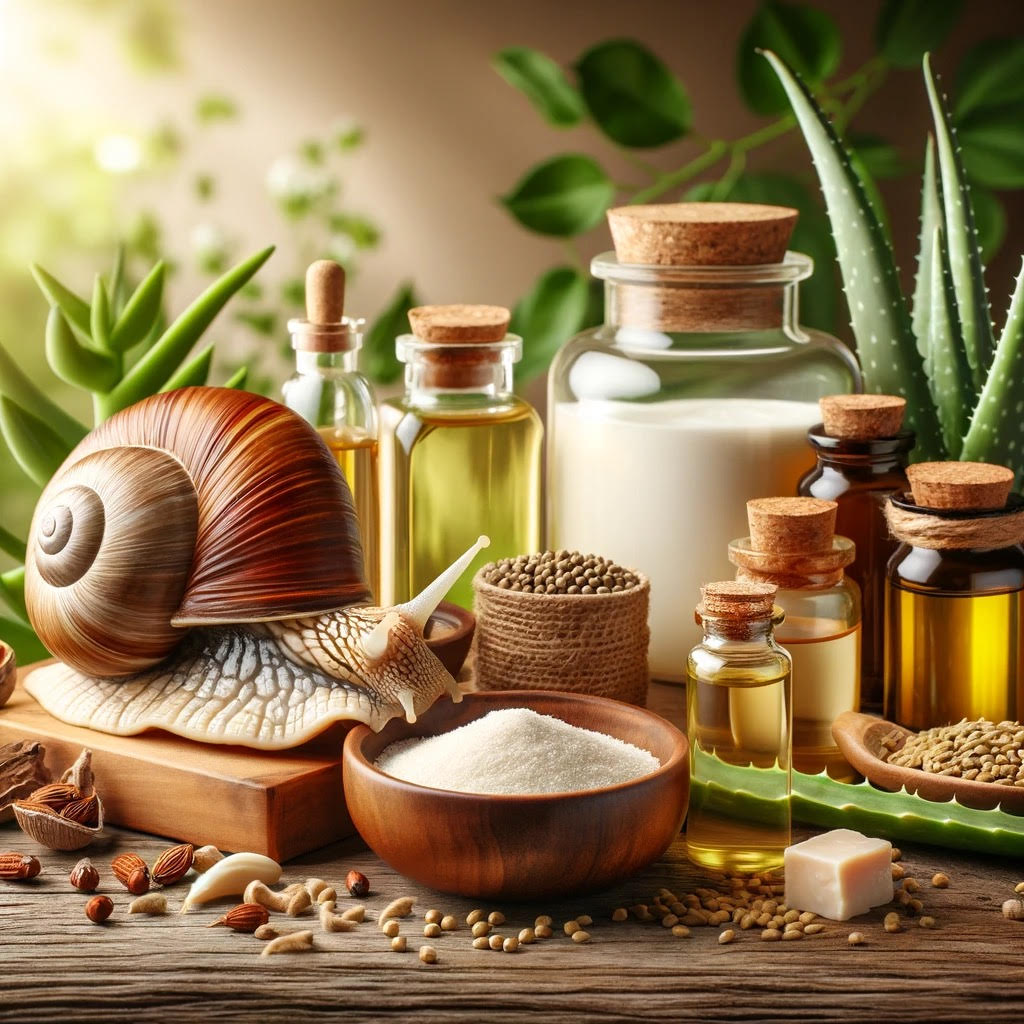


Age Defying 0.3% Retinol Serum, Anti-Aging Dark Spot Remover for Face, Fine Lines & Wrinkle Pore Minimizer, with Vitamin E & Natural Botanicals
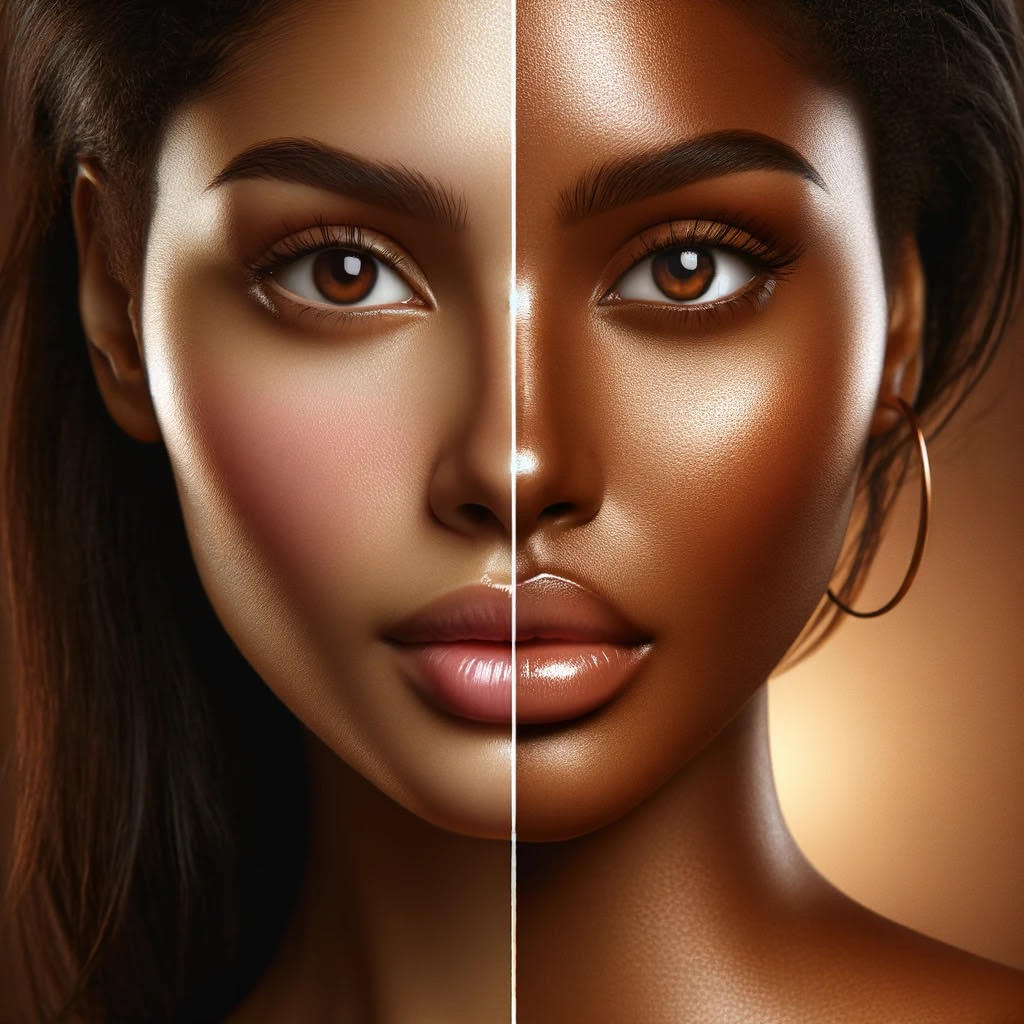

Firming Moisturizer, Advanced Hydrating Facial Replenishing Cream, with Hyaluronic Acid, Resveratrol & Natural Botanicals to Restore Skin's Strength, Radiance, and Resilience, 1.75 Oz

Skin Stem Cell Serum


Smartphone 101 - Pick a smartphone for me - android or iOS - Apple iPhone or Samsung Galaxy or Huawei or Xaomi or Google Pixel
Can AI Really Predict Lottery Results? We Asked an Expert.




Djamgatech

Read Photos and PDFs Aloud for me iOS
Read Photos and PDFs Aloud for me android
Read Photos and PDFs Aloud For me Windows 10/11
Read Photos and PDFs Aloud For Amazon
Get 20% off Google Workspace (Google Meet) Business Plan (AMERICAS): M9HNXHX3WC9H7YE (Email us for more)
Get 20% off Google Google Workspace (Google Meet) Standard Plan with the following codes: 96DRHDRA9J7GTN6(Email us for more)



FREE 10000+ Quiz Trivia and and Brain Teasers for All Topics including Cloud Computing, General Knowledge, History, Television, Music, Art, Science, Movies, Films, US History, Soccer Football, World Cup, Data Science, Machine Learning, Geography, etc....

List of Freely available programming books - What is the single most influential book every Programmers should read
- Bjarne Stroustrup - The C++ Programming Language
- Brian W. Kernighan, Rob Pike - The Practice of Programming
- Donald Knuth - The Art of Computer Programming
- Ellen Ullman - Close to the Machine
- Ellis Horowitz - Fundamentals of Computer Algorithms
- Eric Raymond - The Art of Unix Programming
- Gerald M. Weinberg - The Psychology of Computer Programming
- James Gosling - The Java Programming Language
- Joel Spolsky - The Best Software Writing I
- Keith Curtis - After the Software Wars
- Richard M. Stallman - Free Software, Free Society
- Richard P. Gabriel - Patterns of Software
- Richard P. Gabriel - Innovation Happens Elsewhere
- Code Complete (2nd edition) by Steve McConnell
- The Pragmatic Programmer
- Structure and Interpretation of Computer Programs
- The C Programming Language by Kernighan and Ritchie
- Introduction to Algorithms by Cormen, Leiserson, Rivest & Stein
- Design Patterns by the Gang of Four
- Refactoring: Improving the Design of Existing Code
- The Mythical Man Month
- The Art of Computer Programming by Donald Knuth
- Compilers: Principles, Techniques and Tools by Alfred V. Aho, Ravi Sethi and Jeffrey D. Ullman
- Gödel, Escher, Bach by Douglas Hofstadter
- Clean Code: A Handbook of Agile Software Craftsmanship by Robert C. Martin
- Effective C++
- More Effective C++
- CODE by Charles Petzold
- Programming Pearls by Jon Bentley
- Working Effectively with Legacy Code by Michael C. Feathers
- Peopleware by Demarco and Lister
- Coders at Work by Peter Seibel
- Surely You're Joking, Mr. Feynman!
- Effective Java 2nd edition
- Patterns of Enterprise Application Architecture by Martin Fowler
- The Little Schemer
- The Seasoned Schemer
- Why's (Poignant) Guide to Ruby
- The Inmates Are Running The Asylum: Why High Tech Products Drive Us Crazy and How to Restore the Sanity
- The Art of Unix Programming
- Test-Driven Development: By Example by Kent Beck
- Practices of an Agile Developer
- Don't Make Me Think
- Agile Software Development, Principles, Patterns, and Practices by Robert C. Martin
- Domain Driven Designs by Eric Evans
- The Design of Everyday Things by Donald Norman
- Modern C++ Design by Andrei Alexandrescu
- Best Software Writing I by Joel Spolsky
- The Practice of Programming by Kernighan and Pike
- Pragmatic Thinking and Learning: Refactor Your Wetware by Andy Hunt
- Software Estimation: Demystifying the Black Art by Steve McConnel
- The Passionate Programmer (My Job Went To India) by Chad Fowler
- Hackers: Heroes of the Computer Revolution
- Algorithms + Data Structures = Programs
- Writing Solid Code
- JavaScript - The Good Parts
- Getting Real by 37 Signals
- Foundations of Programming by Karl Seguin
- Computer Graphics: Principles and Practice in C (2nd Edition)
- Thinking in Java by Bruce Eckel
- The Elements of Computing Systems
- Refactoring to Patterns by Joshua Kerievsky
- Modern Operating Systems by Andrew S. Tanenbaum
- The Annotated Turing
- Things That Make Us Smart by Donald Norman
- The Timeless Way of Building by Christopher Alexander
- The Deadline: A Novel About Project Management by Tom DeMarco
- The C++ Programming Language (3rd edition) by Stroustrup
- Patterns of Enterprise Application Architecture
- Computer Systems - A Programmer's Perspective
- Agile Principles, Patterns, and Practices in C# by Robert C. Martin
- Growing Object-Oriented Software, Guided by Tests
- Framework Design Guidelines by Brad Abrams
- Object Thinking by Dr. David West
- Advanced Programming in the UNIX Environment by W. Richard Stevens
- Hackers and Painters: Big Ideas from the Computer Age
- The Soul of a New Machine by Tracy Kidder
- CLR via C# by Jeffrey Richter
- The Timeless Way of Building by Christopher Alexander
- Design Patterns in C# by Steve Metsker
- Alice in Wonderland by Lewis Carol
- Zen and the Art of Motorcycle Maintenance by Robert M. Pirsig
- About Face - The Essentials of Interaction Design
- Here Comes Everybody: The Power of Organizing Without Organizations by Clay Shirky
- The Tao of Programming
- Computational Beauty of Nature
- Writing Solid Code by Steve Maguire
- Philip and Alex's Guide to Web Publishing
- Object-Oriented Analysis and Design with Applications by Grady Booch
- Effective Java by Joshua Bloch
- Computability by N. J. Cutland
- Masterminds of Programming
- The Tao Te Ching
- The Productive Programmer
- The Art of Deception by Kevin Mitnick
- The Career Programmer: Guerilla Tactics for an Imperfect World by Christopher Duncan
- Paradigms of Artificial Intelligence Programming: Case studies in Common Lisp
- Masters of Doom
- Pragmatic Unit Testing in C# with NUnit by Andy Hunt and Dave Thomas with Matt Hargett
- How To Solve It by George Polya
- The Alchemist by Paulo Coelho
- Smalltalk-80: The Language and its Implementation
- Writing Secure Code (2nd Edition) by Michael Howard
- Introduction to Functional Programming by Philip Wadler and Richard Bird
- No Bugs! by David Thielen
- Rework by Jason Freid and DHH
- JUnit in Action
#BlackOwned #BlackEntrepreneurs #BlackBuniness #AWSCertified #AWSCloudPractitioner #AWSCertification #AWSCLFC02 #CloudComputing #AWSStudyGuide #AWSTraining #AWSCareer #AWSExamPrep #AWSCommunity #AWSEducation #AWSBasics #AWSCertified #AWSMachineLearning #AWSCertification #AWSSpecialty #MachineLearning #AWSStudyGuide #CloudComputing #DataScience #AWSCertified #AWSSolutionsArchitect #AWSArchitectAssociate #AWSCertification #AWSStudyGuide #CloudComputing #AWSArchitecture #AWSTraining #AWSCareer #AWSExamPrep #AWSCommunity #AWSEducation #AzureFundamentals #AZ900 #MicrosoftAzure #ITCertification #CertificationPrep #StudyMaterials #TechLearning #MicrosoftCertified #AzureCertification #TechBooks
Top 1000 Canada Quiz and trivia: CANADA CITIZENSHIP TEST- HISTORY - GEOGRAPHY - GOVERNMENT- CULTURE - PEOPLE - LANGUAGES - TRAVEL - WILDLIFE - HOCKEY - TOURISM - SCENERIES - ARTS - DATA VISUALIZATION

Top 1000 Africa Quiz and trivia: HISTORY - GEOGRAPHY - WILDLIFE - CULTURE - PEOPLE - LANGUAGES - TRAVEL - TOURISM - SCENERIES - ARTS - DATA VISUALIZATION
Exploring the Pros and Cons of Visiting All Provinces and Territories in Canada.


Exploring the Advantages and Disadvantages of Visiting All 50 States in the USA

Health Health, a science-based community to discuss health news and the coronavirus (COVID-19) pandemic
- US infant mortality increased in 2022 for the first time in decades, CDC report showsby /u/cnn on July 25, 2024 at 6:37 pm
submitted by /u/cnn [link] [comments]
- Study raises hopes that shingles vaccine may delay onset of dementia | Dementia | The Guardianby /u/chilladipa on July 25, 2024 at 3:38 pm
submitted by /u/chilladipa [link] [comments]
- How fit is your city? New rankings by the American College of Sports Medicineby /u/idc2011 on July 25, 2024 at 3:35 pm
submitted by /u/idc2011 [link] [comments]
- Twice-Yearly Lenacapavir or Daily F/TAF for HIV Prevention in Cisgender Women | New England Journal of Medicineby /u/chilladipa on July 25, 2024 at 3:30 pm
submitted by /u/chilladipa [link] [comments]
- Biden Made a Healthy Decisionby /u/theatlantic on July 25, 2024 at 3:15 pm
submitted by /u/theatlantic [link] [comments]
Today I Learned (TIL) You learn something new every day; what did you learn today? Submit interesting and specific facts about something that you just found out here.
- TIL actor John Larroquette was the uncredited narrator of the prologue to the 1974 horror movie Texas Chainsaw Massacre. In lieu of cash, he was paid by the Director Tobe Hooper in Marijuana.by /u/openletter8 on July 25, 2024 at 6:56 pm
submitted by /u/openletter8 [link] [comments]
- TIL that the every Shakopee Mdewakanton Sioux indian receives a payout of around $1 million per year from casino profits.by /u/friendlystranger4u on July 25, 2024 at 6:22 pm
submitted by /u/friendlystranger4u [link] [comments]
- TIL Motorcycles in China are dictated by law to be decommissioned and destroyed in 13 years after registration regardless of the conditionsby /u/Easy_Piece_592 on July 25, 2024 at 5:56 pm
submitted by /u/Easy_Piece_592 [link] [comments]
- TIL a man named Jonathan Riches has filed more than 2,600 lawsuits since 2006. He even sued Guinness World Records to try to stop them from titling him as "the most litigious man in history".by /u/doopityWoop22 on July 25, 2024 at 5:03 pm
submitted by /u/doopityWoop22 [link] [comments]
- TIL that in 2018, an American half-pipe skier qualified for the Olympics despite minimal experience. Olympic requirements stated that an athlete needed to place in the top 30 at multiple events. She simply sought out events with fewer than 30 participants, showed up, and skied down without falling.by /u/ctdca on July 25, 2024 at 4:28 pm
submitted by /u/ctdca [link] [comments]
Reddit Science This community is a place to share and discuss new scientific research. Read about the latest advances in astronomy, biology, medicine, physics, social science, and more. Find and submit new publications and popular science coverage of current research.
- Abstinence-only sex education linked to higher pornography use among women | This finding adds to the ongoing conversation about the effectiveness and impacts of different sexuality education approaches.by /u/chrisdh79 on July 25, 2024 at 6:49 pm
submitted by /u/chrisdh79 [link] [comments]
- AlphaProof and AlphaGeometry 2 AI models achieve silver medal standard in solving International Mathematical Olympiad problemsby /u/Big_Profit9076 on July 25, 2024 at 5:59 pm
submitted by /u/Big_Profit9076 [link] [comments]
- Scientists have described a new species of chordate, Nuucichthys rhynchocephalus, the first soft-bodied vertebrate from the Drumian Marjum Formation of the American Great Basin.by /u/grimisgreedy on July 25, 2024 at 5:55 pm
submitted by /u/grimisgreedy [link] [comments]
- Secularists revealed as a unique political force in America, with an intriguing divergence from liberals. Unlike nonreligiosity, which denotes a lack of religious affiliation or belief, secularism involves an active identification with principles grounded in empirical evidence and rational thought.by /u/mvea on July 25, 2024 at 5:40 pm
submitted by /u/mvea [link] [comments]
- New shingles vaccine could reduce risk of dementia. The study found at least a 17% reduction in dementia diagnoses in the six years after the new recombinant shingles vaccination, equating to 164 or more additional days lived without dementia.by /u/Wagamaga on July 25, 2024 at 4:48 pm
submitted by /u/Wagamaga [link] [comments]
Reddit Sports Sports News and Highlights from the NFL, NBA, NHL, MLB, MLS, and leagues around the world.
- A's place their lone all-star, Mason Miller, on IL with fractured finger after hitting training tableby /u/Oldtimer_2 on July 25, 2024 at 8:15 pm
submitted by /u/Oldtimer_2 [link] [comments]
- Flyers sign All-Star Travis Konecny to an 8-year extension worth $70 millionby /u/Oldtimer_2 on July 25, 2024 at 7:45 pm
submitted by /u/Oldtimer_2 [link] [comments]
- Bills’ Von Miller says he believes domestic assault case to be closed, with no charges filedby /u/Oldtimer_2 on July 25, 2024 at 7:43 pm
submitted by /u/Oldtimer_2 [link] [comments]
- Padres' Dylan Cease throws no-hitter vs. Nationalsby /u/Oldtimer_2 on July 25, 2024 at 7:41 pm
submitted by /u/Oldtimer_2 [link] [comments]
- Appeal denied in Valieva case; U.S. skaters to get gold in Parisby /u/PrincessBananas85 on July 25, 2024 at 6:18 pm
submitted by /u/PrincessBananas85 [link] [comments]